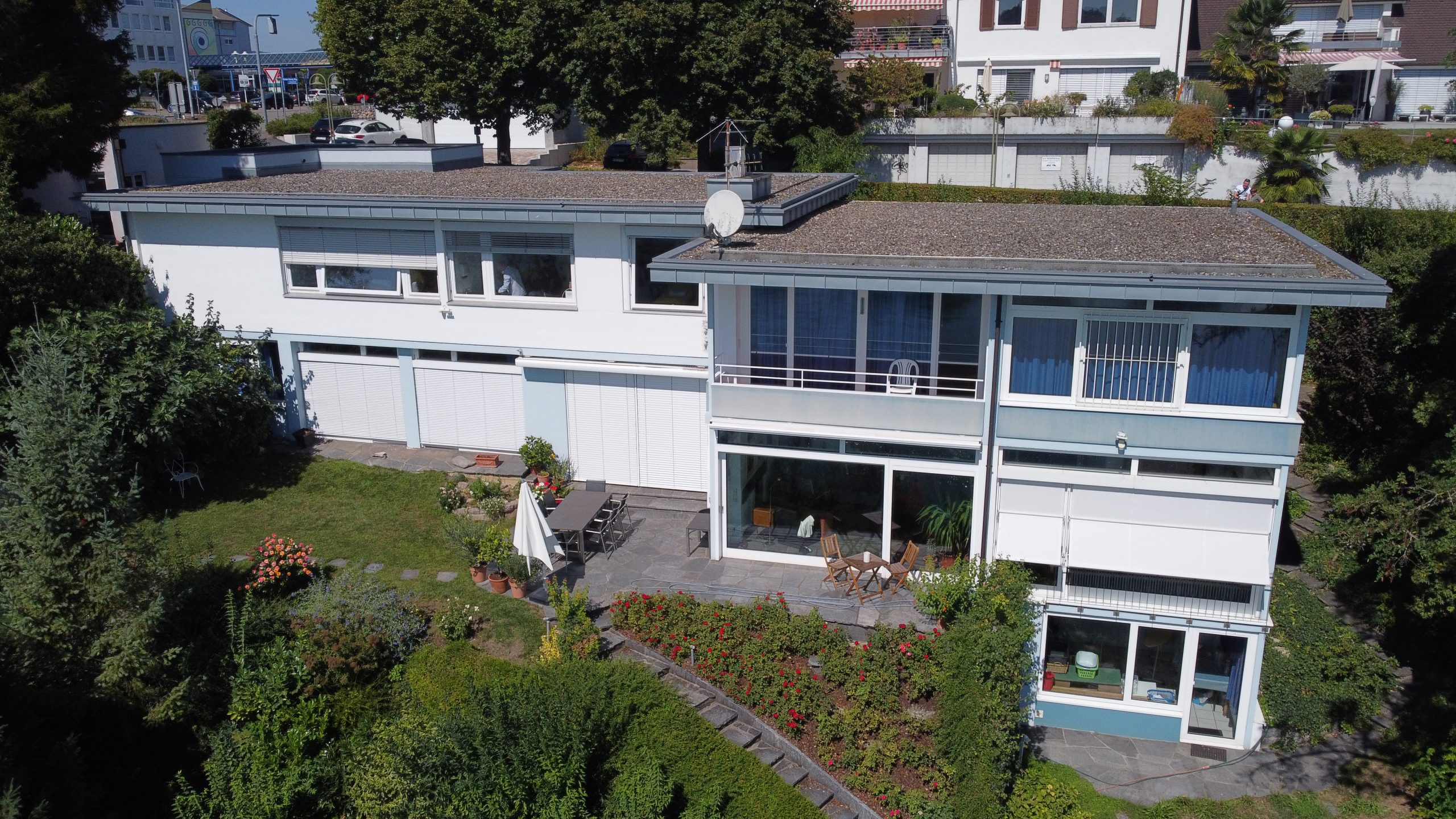
Situated in Rheinfelden, near the Swiss border, our partner clinic in Germany is dedicated to pioneering treatments. We specialize in cutting-edge therapies, including advanced cancer immunotherapy and stem cell treatments for non-malignant conditions.
Cancer Immunotherapy in Germany
Our clinic in Germany provides a diverse selection of advanced cancer immunotherapy techniques. These innovative methods are designed to harness the body’s immune system to combat cancer effectively.
Germany permits experimental treatments that have yet to be established as standard protocols for oncological diseases. These therapies are available under compassionate use provisions. This allows patients to explore treatment options which have the potential to increase their chance of survival and significantly extend their quality life years.
At the Biotherapy International branch in Germany, patients are treated with novel methods that give chances for recovery, even in cases where traditional therapy was ineffective or insufficient. Within German territory, a large list of cancer immunotherapy courses is allowed for practical use, so patients have the opportunity to undergo therapy that can potentially cure them or significantly prolong life while maintaining its quality.
Cancer Immunotherapy Methods, We Utilize in Germany
Cancer vaccines: Personalized cancer vaccines that activate the patient’s own immune system to destroy cancer cells.
Oncolytic viruses: Human-safe oncolytic viruses that bind to tumor receptors, initiating the destruction of malignant cells and making them recognizable to the patient’s immune system.
ATACK: Allogeneic Targeted Activated Cancer Killer cells – intentionally mismatched cells that directly destroy malignant tumors which have resisted other treatments.
COMBAT: Combined anti-tumor therapy – a combination of several types of therapies to increase the chances of a complete cure or extension of life for patients with oncological diseases.
Stem Cell Therapy in Germany
Our clinic in Germany specializes in treating a wide range of non-malignant diseases using allogeneic and/or autologous mesenchymal stem cells (MSC). To ensure compliance with legal regulations, the cultivation and multiplication of stem cells occurs in Switzerland, before being transported to Germany.
Before beginning treatment in Germany, every patient receives a thorough online consultation with Professor Shimon Slavin, the Medical and Scientific Director of Biotherapy International. During this consultation, Professor Slavin designs a personalized treatment protocol. In Germany, the administration of this tailored protocol is overseen by the clinic’s director, Professor Rentz, and his experienced team.
